
10 Best Silicone Food Storage Bags: Your Complete 2026 Guide
Discover the top reusable silicone food storage bags for your plastic-free kitchen. Detailed reviews, eco-friendly options, and practical tips for sustainable storage
Disclaimer: As an Amazon Associate I earn from qualifying purchases from our site. Thank you for your support!

Did you know we throw away approximately 130kg of plastic packaging per person each year? That number hit me hard when I was standing in my kitchen, staring at a drawer overflowing with single-use plastic bags. I’d been meaning to make the switch to something more sustainable, but honestly, I kept putting it off because I wasn’t sure where to start.
Then one day, my friend visited and pulled out these colourful silicone bags from her bag. I was skeptical at first because would they really hold up? Could they replace all those zip-lock bags I’d been hoarding? Turns out, they absolutely could. After switching to using silicone food storage bags daily, I can’t imagine going back to plastic.
In this guide, I’m sharing everything I’ve learned about silicone food storage bags, including the 10 best options available in 2026. Whether you’re trying to reduce your environmental footprint, save money, or just tired of bags that leak all over your fridge, you’ll find what you need here.
Why Switch to Silicone Food Storage Bags?

Making the switch to reusable food storage wasn’t just about feeling good about the environment – though that’s definitely part of it. It turns out there are heaps of practical benefits that make silicone bags worth considering.
First up, let’s talk about the environmental impact. According to Clean Up Australia, plastic bags can take anywhere from 500 to 1000 years to break down in landfills. Every single plastic bag I’ve ever used is still sitting somewhere on this planet. That’s a sobering thought. Silicone bags, on the other hand, can last for years with proper care, and they’re recyclable at the end of their life.
The cost savings surprised me too. Sure, silicone bags have a higher upfront cost, but you’re looking at $20-40 for a decent set. But I was spending about $8 every month on disposable plastic bags. After just five months, the silicone bags paid for themselves. Now I’m saving nearly $100 a year, which I’ve definitely put toward better coffee.
Safety is another huge factor. Food-grade silicone is BPA-free, phthalate-free, and doesn’t leach chemicals into your food like some plastics can. I’m not a chemist, but knowing my kids’ sandwiches aren’t sitting in something that might break down and contaminate their lunch gives me peace of mind.
The versatility is brilliant. I use mine for everything, including marinating chicken (great for preventing spills), freezing soup portions, packing snacks for road trips, and even sous vide cooking. Try doing that with a plastic zip-lock bag and you’ll end up with a melted mess.
The benefits are quite remarkable:
- They’re incredibly durable (some of mine have lasted three years!)
- Completely food-safe and BPA-free
- Can endure temperatures from -40°C to 230°C
- Dishwasher safe (though I have a cleaning tip that works even better)
- Truly airtight, unlike some unreliable plastic containers.
Are Silicone Food Storage Bags Safe?

This was my biggest question when I first started researching. I mean, we’ve been told plastic bags are safe for decades, and now we know better. How do we know silicone won’t be the same story?
Here’s what I’ve learned: food-grade silicone is made from silica (basically sand) and is considered one of the safest materials for food storage.
Unlike plastic, silicone doesn’t contain harmful chemicals like BPA, phthalates, or PVC. It’s also incredibly stable, meaning it doesn’t break down or leach chemicals when exposed to heat, cold, or acidic foods. I accidentally left one of my bags in a pot of boiling water once (don’t ask), and it came out completely fine.
The heat resistance is impressive. Most quality silicone bags can handle temperatures from -40°C to 230°C. That means they’re safe for the freezer, microwave, dishwasher, and even boiling water. I’ve used mine for everything from freezing berries to reheating leftovers, and they’ve never degraded or developed weird smells.
One thing to watch out for: not all silicone products are created equal. Some cheaper options might be mixed with fillers or lower-grade materials. I bought some bargain bags online that started feeling sticky after a few washes. Look for products labeled as “100% food-grade platinum silicone” or “LFGB certified” – that’s the European standard for food safety.
If you’re still worried, here’s a simple test: pinch and twist the silicone. If white shows through, it likely contains fillers. Pure silicone should maintain its colour when twisted.
Which Silicone Food Storage Bags are Best?
After testing dozens of brands over the past two years (my family thinks I’m obsessed), I’ve narrowed down the absolute best options. Here’s my honest take on each one.
| Brand | Size Options | Price Range | Dishwasher Safe | Best For |
|---|---|---|---|---|
| Stasher | Multiple | $$$$ | Yes | Overall quality |
| Zip Top | Multiple | $$$ | Yes | Easy sealing |
| Lékué | Multiple | $$$ | Yes | European quality |
| Bumkins | Multiple | $$ | Yes | Budget-friendly |
| WeeSprout | Set of 10 | $$ | Yes | Variety pack |
| Homelux Theory | Multiple | $$ | Yes | Value for money |
| Langsprit | Multiple | $ | Yes | Best budget |
| GoSili | Multiple | $$$ | Yes | Travel-friendly |
| FoodHuggers | Multiple | $$ | Yes | Unique shapes |
| Qinline | Large Set | $$ | Yes | Bulk buying |
1. Stasher Silicone Reusable Storage Bags
These are the ones that started my obsession. Stasher bags are the original, and honestly, they’re still my favourite despite the premium price. I’ve had my first set for over two years, and they look almost new.
What sets them apart is the patented Pinch-Loc seal. It takes a bit of practice to master (I definitely leaked soup all over my fridge the first time), but once you get it, it creates an incredibly secure closure. They’re endlessly reusable, self-sealing, and come in gorgeous colours that actually make food storage feel less like a chore.
I use the sandwich size almost daily for my kids’ lunches, the snack size for nuts and crackers, and the half-gallon for meal prep. They’re perfect for sous vide cooking too – something I never thought I’d say about a storage bag.
Pros: Extremely durable, excellent seal, beautiful designs, wide temperature range
Cons: Pricey, seal takes practice, can be hard to turn inside out for cleaning

2. Zip Top Reusable Silicone Containers
These are brilliant if you struggle with traditional bag seals. Instead of pinching closed, Zip Top bags have a platinum silicone zipper that stands upright when open. This makes them incredibly easy to fill and no more holding the bag open with one hand while trying to scoop in leftovers with the other.
I particularly love these for liquids. The wide opening means I can pour soup directly from the pot without making a mess. They’re also microwave-safe, though I typically transfer food to a bowl for reheating because the silicone can get quite hot.
The cup and dish styles are fantastic for storing chopped vegetables in the fridge. They stack neatly and the standing design means you can actually see what’s inside without digging through everything.
Pros: Easy to fill, stands upright, great for liquids, innovative design
Cons: Zipper can collect food particles, more expensive than basic bags
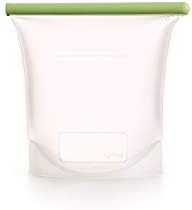
3. Lékué Reusable Silicone Food Storage Bags
These Spanish-made bags are lesser-known but absolutely worth seeking out. Lékué specialises in silicone kitchenware, and their expertise shows. The quality is outstanding – thick, durable silicone with a reliable seal.
What I appreciate most is the thoughtful design. The bags have measurement markers on the side (brilliant for portion control), and they come with a small tab that makes them easier to open. They’re also oven-safe up to 220°C, which means you can go straight from freezer to oven.
I use mine primarily for baking, they’re perfect for marinating meat or mixing dry ingredients. The rectangular shape fits nicely in drawers and the fridge.
Pros: High-quality European manufacturing, measurement markers, oven-safe, flat base
Cons: Harder to find in stores, premium pricing
4. Bumkins Reusable Silicone Food Bags
If you’re just starting out with reusable bags and don’t want to invest a fortune, Bumkins is your answer. These are the bags I recommend to friends who are silicone-curious but wallet-conscious.
Don’t let the lower price fool you, these are solid bags. They’re made from food-grade silicone, dishwasher safe, and have a double-lock seal that works surprisingly well. I’ve used mine for everything from frozen fruit to leftover curry, and they’ve held up beautifully.
The only real compromise is thickness. They’re slightly thinner than premium brands, which makes them a bit flimsier but also easier to fold and store. After a year of regular use, mine are still going strong.
Pros: Affordable, good seal, comes in fun patterns, lighter weight
Cons: Thinner material, seal not quite as secure as premium brands

5. WeeSprout Reusable Silicone Food Storage Bags
This set is perfect if you want variety without buying multiple brands. You get 10 bags in different sizes and colours, which is honestly brilliant for organisation. I use green for vegetables, blue for proteins, and red for anything spicy.
The quality is solid middle-ground, not quite as thick as Stasher but noticeably better than budget options. The slider seal works smoothly, and I’ve never had a leak (knock on wood). They’re also freezer-safe down to -40°C, which I tested when my chest freezer went into overdrive during a particularly hot summer.
What I really appreciate is that they’re thoughtfully designed for families. The size variety means you’re not trying to stuff a whole sandwich into a tiny snack bag or wasting space with an oversized bag for a few crackers.
Pros: Great variety, good value for a large set, colour-coded options, reliable seal
Cons: Middle-tier thickness, some users report seal wearing over time
6. Homelux Theory Silicone Food Storage Bags
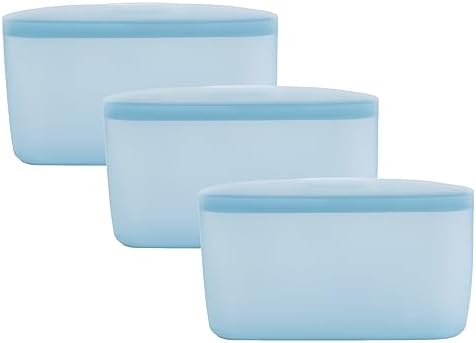
These surprised me. I bought them on a whim during a sale, expecting mediocre quality, but they’ve become some of my most-used bags. The silicone is thick and durable, the seal is secure, and they’ve survived countless trips through the dishwasher.
The slider closure is smooth and easy to use, even with wet hands (something that matters more than you’d think when you’re dealing with marinated meat). They’re also wider than many competitor bags, which makes them perfect for storing flatbreads or large portions of leftovers.
I use the larger size for meal prep every Sunday, they fit an entire roasted chicken or enough salad for the week. The smaller sizes are great for school lunches and snacks.
Pros: Excellent value, thick material, smooth slider, wide design
Cons: Limited colour options, harder to find in physical stores
7. Langsprit Reusable Silicone Food Storage Bags
If you’re on a tight budget but want to reduce plastic waste, Langsprit bags are your best bet. They’re the most affordable quality option I’ve found, and they actually work well for everyday use.
Yes, they’re thinner than premium bags. Yes, the seal requires a bit more pressure to close properly. But for the price, they’re a solid entry point into reusable storage. I’ve given sets as gifts to friends who were hesitant about the cost, and everyone’s been pleasantly surprised.
They’re particularly good for dry goods like nuts, crackers, cookies, that sort of thing. I’m a bit more cautious using them for liquids, though they can handle it if you’re careful with the seal.
Pros: Very affordable, decent quality for price, comes in sets, good starter option
Cons: Thinner material, seal requires more effort, not as durable long-term
8. GoSili Silicone Reusable Bags
These are my travel companions. GoSili bags are specifically designed to be compact and portable, and they deliver. They fold flat when empty, which makes them perfect for packing in luggage or keeping in your handbag for impromptu shopping trips.
I keep a few in my car at all times. They’ve been brilliant for farmers market shopping, taking home leftovers from restaurants, and storing snacks for road trips. The silicone is soft and pliable, which makes them easy to squeeze into tight spaces but still durable enough for regular use.
The smaller sizes are particularly handy. I use them for jewelry when traveling, storing cables and chargers, and keeping my kid’s small toys organized in my bag.
Pros: Ultra-portable, folds flat, perfect for travel, soft silicone
Cons: Softer material means less structure, smaller size range
9. FoodHuggers Silicone Storage Bags
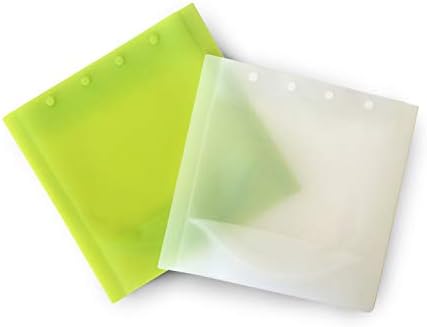
FoodHuggers takes a different approach with unique shapes designed for specific foods. They’re best known for their produce huggers that fit over cut fruits and vegetables, but their bags are equally innovative.
What I love is how they’ve thought about real kitchen problems. Their bags have reinforced corners (genius for preventing leaks), and some styles have a pour spout for liquids. They’ve clearly been designed by people who actually cook and store food regularly.
The quality is excellent with thick, durable silicone that shows no signs of wear after months of use. They’re particularly brilliant for storing prepared ingredients for weeknight cooking.
Pros: Innovative design, reinforced corners, specialty shapes, excellent quality
Cons: Limited general-use bag options, higher price point, smaller range
10. Qinline Reusable Silicone Food Storage Bags
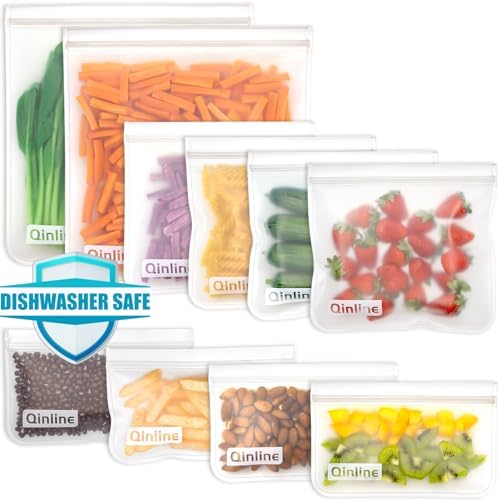
Last but definitely not least, Qinline offers massive sets that are perfect if you’re outfitting your entire kitchen or want backups for everything. I bought a 12-piece set when I finally committed to going plastic-free, and it’s been brilliant having enough bags for meal prep without constantly washing.
The quality is surprisingly good for the price. The silicone is decent thickness, the slider seals work smoothly, and they’re holding up well to regular dishwasher cycles. They’re not quite as premium-feeling as Stasher, but for the price difference, they’re absolutely worth considering.
I particularly appreciate that the set includes various sizes. You get sandwich, snack, and gallon sizes, which covers pretty much every storage need.
Pros: Great value for large sets, variety of sizes, good quality for price, BPA-free
Cons: Not quite as thick as premium brands, some quality variation between bags
How Long Do Silicone Food Storage Bags Last?
This was something that really influenced my buying decision. There’s no point switching to reusable bags if they’re only going to last a few months, right?
With proper care, quality silicone food storage bags should last 3-5 years of regular use. My oldest Stasher bags are approaching their third birthday and still look nearly new. Some manufacturers claim their bags can last even longer of up to 10 years – though I haven’t tested that myself yet.
The lifespan really depends on how you use and care for them. Bags used exclusively for dry goods will last longer than ones regularly used for oily foods or strong spices. I’ve noticed my bags used for curry and tomato-based sauces have developed some staining, but they still function perfectly.
Several factors affect durability. Exposure to extreme temperatures repeatedly (like constant freezer-to-boiling water cycles) can eventually wear down the silicone. Sharp objects are the real enemy and the seal mechanism tends to wear out before the bag itself, especially on cheaper models.
Signs your bags might need replacing include persistent odors that won’t wash out, visible cracks or tears, a seal that no longer closes properly, or silicone that’s become sticky or degraded. Honestly though, most quality bags will outlast your initial expectations.
Here’s a tip: rotate your bags regularly. Don’t use the same ones constantly while others sit in the drawer. This distributes wear evenly and extends the overall life of your collection.
Can You Put Silicone Bags in the Dishwasher?
Short answer: yes! Nearly all quality silicone food storage bags are dishwasher safe, and it’s honestly one of their best features. After hand-washing zip-lock bags for years (what a waste of time), being able to toss silicone bags on the top rack is brilliant.
However, there’s a right way and a wrong way to do it. I learned this after my first attempt resulted in bags that hadn’t really cleaned properly because they’d collapsed and filled with water.
Here’s what works: turn the bags inside out or at least open them as wide as possible. This ensures water and detergent reach all surfaces. I usually prop mine open with chopsticks or position them around the dishwasher rack spokes to keep them from collapsing.
Place them on the top rack only. While silicone can handle high heat, the intense heat from the bottom heating element can be unnecessary, and there’s a risk of them sliding down and getting damaged by the heating element.
For heavily soiled bags (think: oil, curry, or sticky foods), I do a quick rinse and scrub before the dishwasher. The dishwasher handles the sanitizing, but it’s not magic. Dried-on food needs a bit of help.
Hand washing works brilliantly too, especially for quick cleanups. I use hot soapy water and a bottle brush to get into the corners. The key is making sure they’re completely dry before storing as I leave mine open on a drying rack overnight.
One thing to avoid: don’t scrub silicone bags with abrasive scrubbers. They can damage the surface over time. A soft sponge or bottle brush is all you need.
Are Silicone Bags Better Than Plastic?
I get asked this constantly, usually by people eyeing my collection of colourful bags while we’re having lunch. The honest answer is: it depends on what matters most to you, but for most people, yes, they’re better.
Let’s start with environmental impact. According to Planet Ark, we use approximately 3.92 billion plastic bags annually. That’s a staggering number. Each silicone bag replaces hundreds, potentially thousands, of single-use plastic bags over its lifetime. Even accounting for the resources needed to manufacture silicone bags, they come out ahead environmentally.
Safety-wise, silicone wins hands-down. Food-grade silicone doesn’t contain the potentially harmful chemicals found in many plastics (BPA, phthalates, PVC). It doesn’t break down or leach chemicals when exposed to heat, cold, or acidic foods. I’m much more comfortable storing my family’s food in silicone.
Cost is where it gets interesting. Plastic bags are obviously cheaper upfront – a few dollars for a box of 50. But silicone bags pay for themselves within months if you’re a regular zip-lock user. After two years, I’ve saved well over $150 by not buying disposables. Plus, there’s something satisfying about not constantly running out and having to add them to the shopping list.
Performance is surprisingly similar. Both create airtight seals (when used correctly). Both work in the freezer. The main difference is that silicone can handle heat that would melt plastic, and silicone is much more durable. I can’t tell you how many times I’ve had plastic bags split or leak at the worst possible moment. Hasn’t happened with silicone yet.
The real downside to silicone is the initial investment and the learning curve. They require more care than tossing out a used plastic bag, and getting the seal right takes practice. But once you adjust, it becomes second nature.
Can Silicone Bags Go in the Freezer?
Absolutely! In fact, the freezer is where silicone bags really shine. They’re designed to handle temperatures as low as -40°C, which is colder than any home freezer will ever reach.
I use mine for freezer storage constantly. Portion-sized servings of soup, frozen fruit for smoothies, pre-marinated meat, leftover pasta sauce – they’re all living happily in my freezer right now. The silicone stays flexible even when frozen, unlike plastic containers that can become brittle and crack.
Here’s what I’ve learned about freezing in silicone bags: lay them flat when freezing liquids. This creates a nice, stackable shape that maximizes freezer space. I usually place them on a baking tray until frozen solid, then stack them upright like files. It’s transformed my freezer organization.
Remove as much air as possible before sealing. This prevents freezer burn and helps food maintain quality. I press the air out gently while sealing, starting from the bottom and working up.
Label everything! I learned this the hard way after defrosting what I thought was tomato sauce only to discover it was strawberry puree. A piece of masking tape or a dry-erase marker on the bag works perfectly.
For thawing, you have options. I usually transfer bags to the fridge the night before I need them, but you can also run them under cool water or place them in a bowl of water. Some people even defrost in the microwave, though I prefer gentler methods to preserve food quality.
One warning: don’t drop frozen silicone bags. While the silicone won’t shatter, frozen contents can crack or damage the seal if hit hard enough. I definitely didn’t discover this by dropping a bag of frozen berries and watching it explode across my kitchen floor.
How to Clean Silicone Food Bags
Proper cleaning is essential if you want your bags to last and stay hygienic. It’s not difficult, but there are a few tricks that make life easier.
Step-by-Step Cleaning Guide:
- Empty immediately after use. Don’t let food sit in the bags. The longer it sits, the harder it is to clean and the more likely odors will set in.
- Turn inside out. This is crucial for getting into corners and ensuring all surfaces get clean. I hook my finger into one corner and carefully pull it through.
- Rinse with hot water. This removes most food particles and makes the actual washing easier. For oily foods, a quick rinse with a bit of dish soap first helps break down the grease.
- Wash with hot, soapy water. I use a bottle brush or a long-handled sponge to scrub all surfaces, paying special attention to corners and the seal area where food can hide.
- Rinse thoroughly. Make sure all soap residue is gone. Silicone can trap soap bubbles if you’re not thorough.
- Dry completely. This is where most people go wrong. Turn bags right-side out and leave them open on a drying rack or over the edge of a container. Moisture trapped inside can lead to odors or even mold.
Removing Stubborn Odors:
Sometimes bags pick up strong smells, especially from garlic, onions, or curry. Here’s what works:
- Sprinkle baking soda inside, add a bit of water to make a paste, and let it sit overnight. Rinse thoroughly in the morning.
- Fill with a mixture of hot water and white vinegar (1:1 ratio), seal, and let soak for a few hours.
- Leave them in direct sunlight for a day. UV rays naturally deodorize.
Dealing With Stains:
Turmeric and tomato sauce are the main culprits. While stains won’t affect safety or performance, here’s how to minimise them:
- Rinse immediately after use, before stains set
- Make a paste of baking soda and water, scrub gently
- Soak in diluted hydrogen peroxide (food-safe bleach alternative)
Honestly, I’ve made peace with some staining on my bags. They’re tools, not showpieces. A bit of yellow from turmeric just means they’re well-loved and well-used.
Creative Uses for Silicone Storage Bags
Once you start using silicone bags, you’ll discover they’re useful for way more than just food storage. Here are some of my favourite alternative uses:
Travel Organization: I pack everything in silicone bags when traveling. Toiletries (they’re leakproof!), jewelry, charging cables, medication – everything gets its own bag. The see-through nature means I can find things quickly, and TSA security is a breeze with liquids already in sealed containers.
Arts and Crafts: My kids use them for storing markers, crayons, and small craft supplies. They’re much more durable than plastic bags and can be wiped clean if something leaks or spills.
Beach and Pool: Silicone bags are brilliant for the beach. Store your phone, keys, and valuables safely. They’re not fully waterproof for submersion, but they’ll protect against sand, splashes, and moisture.
First Aid Kit: I keep a silicone bag in my car with basic first aid supplies. It keeps everything organized and protected from temperature extremes.
Electronics: Small cables, earbuds, memory cards – all the tiny electronic bits that usually get lost in my bag now have a home in silicone bags.
Gardening: I use larger bags to store seed packets, small tools, and labels. They keep everything dry and organized in the shed.
Sous Vide Cooking: This is actually what they’re designed for in addition to storage. The food-grade silicone and heat resistance make them perfect for water bath cooking. Just make sure you use the heavy-duty, thicker bags.
Ice Packs: Fill a bag with water, freeze it flat, and you have a reusable ice pack that conforms to whatever needs cooling.
Marinating: This is perhaps my most frequent use. Silicone bags are perfect for marinating meat because you can massage the marinade into the food through the bag without making a mess, and they seal better than bowls with plastic wrap.
The versatility is honestly one of the main reasons I’ve become such a fan. They’re not just replacing one product – they’re replacing several.
Making the Switch: Final Thoughts
Here’s the thing about silicone food storage bags, they’re not going to change your life overnight. They’re not magic. But they are a small, manageable step toward a more sustainable kitchen that actually saves you money in the long run.
I’ll be honest: the first few weeks were a bit annoying. I’d forget to bring them to the shops, I struggled with getting the seals right, and I definitely missed the convenience of just grabbing a plastic bag from the drawer. But after about a month, using silicone bags became automatic. Now I can’t imagine going back.
The key is starting small. You don’t need to buy ten different types and completely overhaul your kitchen storage system tomorrow. Grab one or two quality bags, use them consistently, and see how you go. Once you’re comfortable, add more to your collection.
If you’re budget-conscious, start with mid-range options like Bumkins or Homelux Theory. If you want the best quality and don’t mind spending more, go for Stasher or Lékué. If you need a large variety, sets like WeeSprout or Qinline give you options without breaking the bank.
Remember that these bags are an investment in both your wallet and the environment. Every single-use plastic bag you don’t throw away is one less bag in a landfill or floating in our oceans. For me, that’s enough reason to make the switch, even if there were no other benefits.
Take care of your bags, clean them properly, dry them thoroughly, and they’ll take care of you for years. Rotate them regularly so they wear evenly. Don’t be too precious about stains or minor wear, they’re meant to be used, not displayed.
And here’s my challenge to you: start today. Order one or two bags, commit to using them for a month, and see what you think. I’m betting you’ll be as converted as I am.
What’s been your experience with reusable food storage? Are you already using silicone bags, or are you considering making the switch? Drop a comment below and let me know what questions you have or what’s holding you back. I’d love to hear from you and help you on your journey toward a plastic-free kitchen!


