Swicy Glaze Recipes: 8 Best Sweet & Spicy Glazes in 2026
Swicy glaze recipes that balance sweet & spicy perfectly! From hot honey to gochujang, discover 8 easy glazes for chicken, pork, veggies & more.
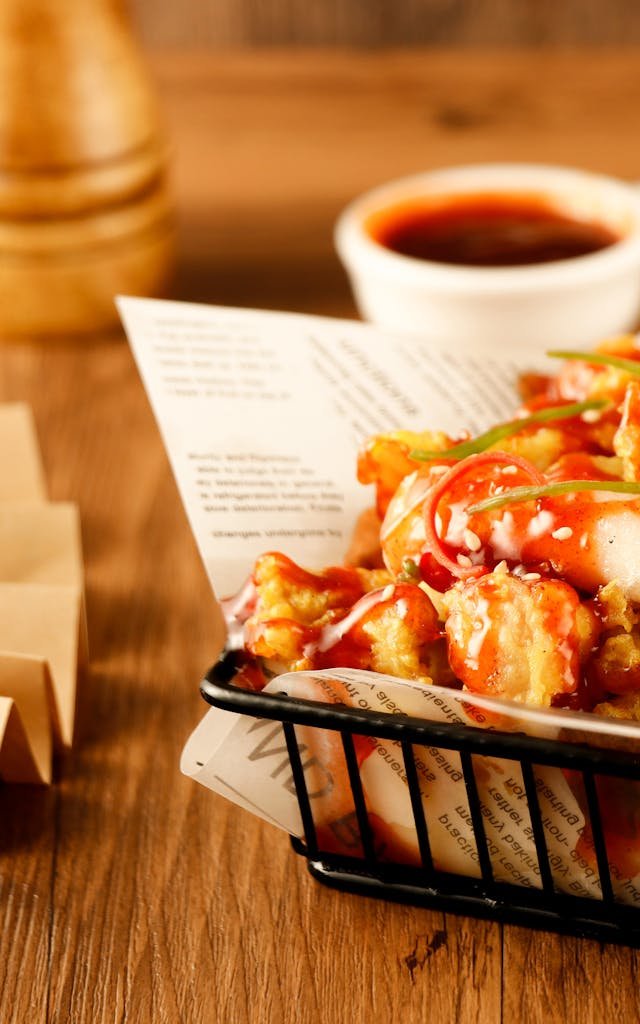
Here’s a stat that’ll blow your mind: sweet and spicy menu items increased by 38% in restaurants last year alone! The “swicy” trend isn’t just some passing fad, it’s completely transformed how we think about flavour. I remember the first time I drizzled hot honey over pepperoni pizza at my mate’s place. That perfect balance of fiery heat and golden sweetness literally changed everything for me.
Now I can’t stop making swicy glazes for absolutely everything. Chicken wings? Swicy. Roasted vegetables? Swicy. Heck, I even put it on my morning bacon sometimes (don’t judge me until you’ve tried it). The beauty of these glazes is how they hit all your taste buds at once – sweet, spicy, sticky, and absolutely addictive.
In this guide, I’m sharing my 8 favourite swicy glaze recipes that I’ve perfected over the past few months. Whether you’re after something mild and fruity or properly fiery, there’s something here for everyone. Plus, I’ll walk you through the techniques that make these glazes shine and share all the ways you can use them beyond just slapping them on chicken.
What Does Swicy Mean in Cooking?
Right, so “swicy” is basically a portmanteau, a fancy word for mushing two words together – of “sweet” and “spicy.” Pretty straightforward, really. It’s all about that gorgeous balance between sugary sweetness and chilli heat that creates this completely addictive flavour profile.
The concept isn’t actually new, though the trendy name definitely is. Korean cuisine has been doing gochujang (sweet fermented chilli paste) for centuries. Thai cooking combines palm sugar with bird’s eye chillies. Mexican street food uses tajin (chilli-lime salt) on sweet mango. According to Kikkoman’s food service insights, these traditional flavour combinations have existed for ages, but Western kitchens are only just catching on.
What makes swicy glaze recipes work so brilliantly is the science behind it. When you eat something sweet, your brain releases endorphins. When you eat something spicy, you get that same endorphin rush from the capsaicin. Combine them? Double the feel-good chemicals. It’s literally addictive, which explains why I went through three bottles of hot honey last month alone.
The trend really exploded around 2010 when Mike’s Hot Honey started showing up in Brooklyn pizzerias, according to Tastewise’s 2026 food trend analysis. Since then, it’s spread like wildfire. You’ve got Shake Shack doing Korean gochujang chicken sandwiches, Pizza Hut adding hot honey pizzas to their menu, and even Starbucks launching spicy lemonade refreshers. The swicy movement is everywhere.
In research I found, about 97% of swicy-related discussions mention sweetness first, whilst only 78% emphasise the spice. That tells you something important: swicy is sweet-forward with heat playing a supporting role. It’s not about burning your face off, it’s about balance.
How Do You Make Hot Honey Glaze?
Hot honey is the gateway drug to the swicy world. It’s dead simple to make and insanely versatile. I keep a jar of this stuff in my pantry at all times.
The basic formula is straightforward: honey + heat + time. You’ll need about 1 cup of honey, 1-2 tablespoons of crushed red pepper flakes (or fresh chillies if you’re feeling fancy), and a splash of apple cider vinegar, around 1 tablespoon. Some people skip the vinegar, but I reckon it cuts through the sweetness and gives you better balance.
Here’s how I make it: chuck everything into a small saucepan over medium heat. Bring it to a simmer and you’ll see little bubbles forming around the edges. Let it simmer for about 5 minutes, swirling the pan occasionally. This isn’t just heating the honey; you’re infusing it with all that chilli flavour. Remove from heat and let it cool completely. As it cools, the flavours really meld together.
Now here’s the big question: do you strain out the chilli flakes or leave them in? I leave them in because they look gorgeous in the jar and you get little bursts of extra heat. But if you’re gifting it or want a smoother texture, strain it through a fine-mesh sieve whilst it’s still warm.
According to Carla Hall’s hot honey recipe, you can customise the heat level easily. Want it mild? Use just 1 tablespoon of pepper flakes and simmer for 3 minutes. Want it properly hot? Go for 2-3 tablespoons and let it simmer for the full 5-7 minutes. The longer you simmer, the more heat infuses.
Storage is easy. Keep it in an airtight jar at room temperature for up to 2 weeks, or in the fridge for up to a month. Just warm it slightly before using if it’s too thick from the cold. I microwave mine for about 10 seconds.
8 Best Swicy Glaze Recipes
Alright, this is where it gets properly exciting. I’ve tested dozens of swicy combinations over the years, and these 8 are my absolute favourites. Each one brings something different to the table.
1. Classic Hot Honey Glaze
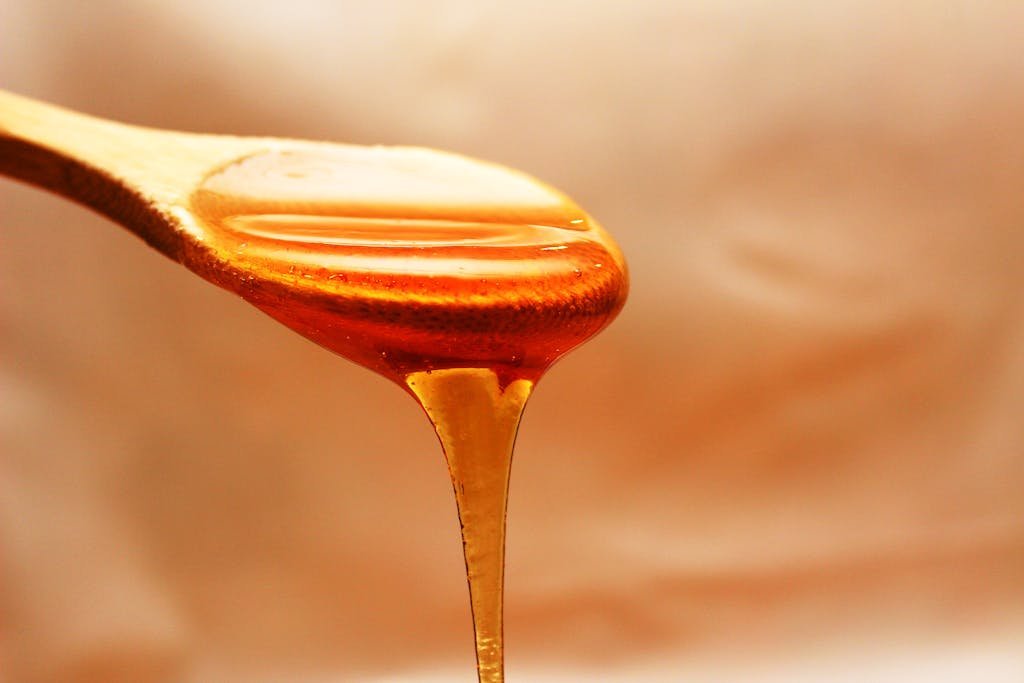
This is your foundation, master this and you’ll understand how all swicy glazes work. I’ve made this recipe at least 50 times, and it never disappoints.
Ingredients:
- 1 cup honey (I use local wildflower honey)
- 2 tablespoons crushed red pepper flakes
- 1 tablespoon apple cider vinegar
- Pinch of sea salt
Instructions: Combine honey and red pepper flakes in a small saucepan. Heat over medium-low heat until it just starts to simmer, you’ll see tiny bubbles. Reduce heat to low and let it simmer gently for 5 minutes, stirring occasionally. Remove from heat and stir in the vinegar and salt. Let it cool completely before transferring to a jar.
The beauty of this glaze is its versatility. I use it on everything from pizza to fried chicken to roasted Brussels sprouts. It’s got a medium heat level and enough to make you notice it, but not so much that it overwhelms. The Food Network’s swicy recipe collection highlights similar combinations as the most popular in home cooking.
Best for: Pizza, chicken wings, grilled pork chops, biscuits, cheese boards
Heat level: Medium (customisable)
Storage: Room temperature for 2 weeks, fridge for 1 month
Pro tip: Drizzle it whilst your food is still hot so it melts slightly into all the cracks
2. Korean Gochujang Glaze
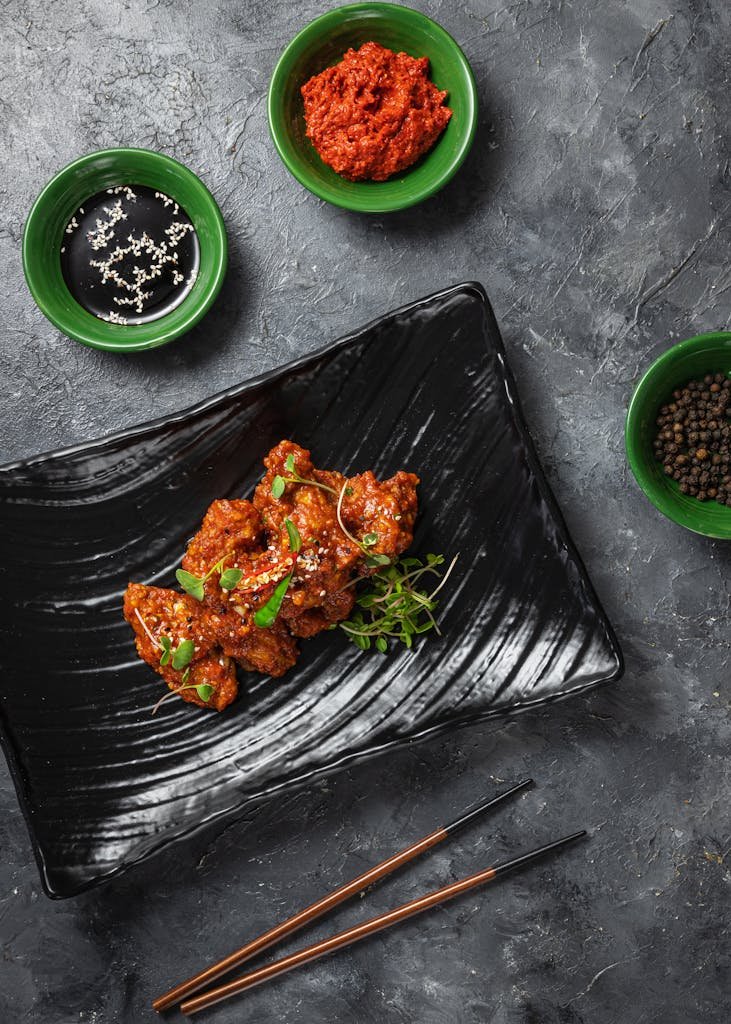
This one’s my secret weapon for making people think I’m a better cook than I actually am. Gochujang brings this deep, funky, fermented complexity that you just can’t get from fresh chillies.
Ingredients:
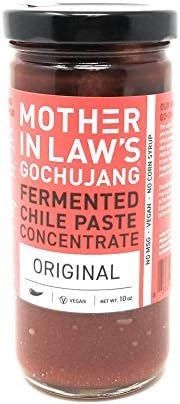
- 1/4 cup gochujang paste (I use Mother-in-Law’s brand from Amazon)
- 2 tablespoons honey or strawberry jam (traditional Korean recipes use jam!)
- 2 tablespoons soy sauce
- 1 tablespoon rice vinegar
- 1 tablespoon sesame oil
- 2 cloves garlic, minced
- 1 teaspoon fresh ginger, grated
Instructions: Whisk all ingredients together in a small saucepan. Bring to a boil over medium-high heat, then reduce to a simmer. Cook for 2-3 minutes until it thickens slightly and becomes glossy. According to Drive Me Hungry’s authentic gochujang sauce guide, the strawberry jam adds sweetness with more depth than plain sugar, it’s a proper Korean technique.
Watch this carefully because the sugar content means it can burn quickly. Once it’s reduced and sticky, remove from heat. It’ll thicken more as it cools.
Best for: Korean fried chicken, salmon, pork tenderloin, stir-fried vegetables, rice bowls
Heat level: Medium-hot (depends on your gochujang brand)
Storage: Fridge for up to 2 weeks
Pro tip: Brush this on wings during the last 3 minutes of baking for that perfect caramelised coating
3. Mango Habanero Glaze
This is summer in a jar. The tropical sweetness of mango plays beautifully against the intense heat of habaneros. I first made this for a BBQ and people literally asked me to bottle it.
Ingredients:
- 1 ripe mango, peeled and diced (or 1 cup frozen mango chunks)
- 1-2 habanero peppers, seeds removed for less heat
- 1/2 cup brown sugar
- 1/4 cup apple cider vinegar
- Juice of 1 lime
- 1/2 teaspoon cumin
- 1/4 teaspoon salt
Instructions: Chuck the mango and habanero in a blender or food processor and blitz until smooth. Pour into a saucepan with the brown sugar, vinegar, lime juice, cumin, and salt. Bring to a boil, then reduce heat and simmer for 15-20 minutes, stirring occasionally, until it’s reduced by about half and coats the back of a spoon.
The glaze should be thick but pourable. If it’s too thick, add a splash of water. Too thin? Simmer it longer. Habaneros pack serious heat, so start with one pepper and add the second only if you’re brave. The mango habanero trend data shows it’s one of the fastest-growing swicy flavour combinations.
Best for: Grilled chicken, fish tacos, pork ribs, shrimp skewers
Heat level: Hot to very hot
Storage: Fridge for up to 2 weeks, freezer for 3 months
Pro tip: This is brilliant as a dipping sauce for coconut shrimp
4. Peach Sriracha Glaze
Peaches and heat are a match made in heaven, especially during stone fruit season. The natural sweetness of ripe peaches means you need less added sugar.
Ingredients:
- 2 ripe peaches, peeled and diced (or 1 cup tinned peaches, drained)
- 3 tablespoons sriracha sauce
- 2 tablespoons soy sauce
- 2 tablespoons honey
- 2 cloves garlic, minced
- 1 teaspoon fresh ginger, grated
- 1 tablespoon cornflour mixed with 2 tablespoons water (for thickening)
Instructions: Blend the peaches until smooth. Pour into a saucepan with sriracha, soy sauce, honey, garlic, and ginger. Bring to a simmer and cook for 10 minutes, stirring occasionally. Whisk in the cornflour slurry and cook for another 2-3 minutes until thickened and glossy.
This glaze has a gorgeous colour, it’s kind of peachy-orange, and the ginger adds a lovely zing. I learnt this combination from a recipe on Budget Bytes, and I’ve adapted it with fresh peaches when they’re in season.
Best for: Chicken wings, grilled chicken breasts, pork chops, tofu
Heat level: Medium
Storage: Fridge for 1 week
Pro tip: Make a double batch when peaches are cheap and freeze half for winter
5. Maple Chilli Glaze
When I’m feeling lazy, this is my go-to because it literally takes 5 minutes. Pure maple syrup gives you that deep, complex sweetness that’s different from honey.
Ingredients:
- 1/2 cup pure maple syrup (not pancake syrup—get the real stuff)
- 2 tablespoons butter
- 1 tablespoon sriracha or your favourite hot sauce
- 1 teaspoon cayenne pepper
- 1 teaspoon garlic powder
- 1/2 teaspoon smoked paprika
- Pinch of salt
Instructions: Melt the butter in a small saucepan over medium heat. Add the maple syrup, sriracha, cayenne, garlic powder, paprika, and salt. Whisk everything together and let it simmer for 2-3 minutes until slightly thickened. That’s it. Seriously.
The butter makes this glaze cling beautifully to whatever you’re coating, and the smoked paprika adds a subtle depth. I use this constantly for roasted carrots, it’s absolutely gorgeous.
Best for: Pork tenderloin, bacon, roasted root vegetables, salmon
Heat level: Mild to medium
Storage: Fridge for 2 weeks
Pro tip: Brush this on bacon before baking it in the oven at 200°C for candied bacon that’ll change your life
6. Pineapple Jalapeño Glaze
Tropical meets spicy in this bright, punchy glaze. Pineapple has natural enzymes that actually help tenderise meat, so it’s brilliant as a marinade too.
Ingredients:
- 1 cup fresh pineapple chunks (or tinned in juice, drained)
- 2 jalapeño peppers, seeds removed
- 1/3 cup brown sugar
- 1/4 cup rice vinegar
- 2 tablespoons soy sauce
- 1 tablespoon cornflour
- 2 tablespoons water
Instructions: Blend the pineapple and jalapeños until smooth. Pour into a saucepan with brown sugar, vinegar, and soy sauce. Bring to a boil, then reduce heat and simmer for 10 minutes. Mix cornflour with water to make a slurry, then whisk it into the glaze. Simmer for another 2-3 minutes until thick and glossy.
Jalapeños give you a nice, approachable heat that most people can handle. If you want it spicier, leave some seeds in. Want it milder? Use just one pepper. The pineapple creates this lovely sticky texture that’s perfect for glazing.
Best for: Hawaiian-style pizza, ham, chicken kebabs, prawn skewers
Heat level: Mild to medium
Storage: Fridge for 1 week
Pro tip: This is unreal on grilled halloumi cheese
7. Honey Ginger Chilli Glaze
This Asian-inspired glaze is what I reach for when I want something a bit more sophisticated. Fresh ginger brings warmth that’s different from chilli heat.
Ingredients:
- 1/2 cup honey
- 3 tablespoons soy sauce
- 2 tablespoons fresh ginger, finely grated
- 2 cloves garlic, minced
- 1 tablespoon sesame oil
- 1-2 teaspoons chilli flakes
- 1 tablespoon rice vinegar
- 1 teaspoon cornflour mixed with 1 tablespoon water
Instructions: Combine honey, soy sauce, ginger, garlic, sesame oil, chilli flakes, and vinegar in a saucepan. Bring to a simmer over medium heat. Let it bubble gently for 5 minutes to let the flavours meld. Whisk in the cornflour slurry and cook for another 2 minutes until it’s thick enough to coat a spoon.
The fresh ginger makes all the difference here. Don’t use powdered ginger, it just doesn’t have the same zing. I use my microplane grater to get the ginger really fine so it distributes evenly.
Best for: Stir-fries, grilled salmon, chicken thighs, tofu, noodles
Heat level: Mild to medium
Storage: Fridge for 10 days
Pro tip: Make extra and toss it with noodles, vegetables, and cashews for a quick dinner
8. Brown Sugar Cayenne Glaze
When your pantry is looking sad and you don’t want to go to the shops, this is the glaze that saves dinner. All pantry staples, dead simple, absolutely delicious.
Ingredients:
- 1/2 cup brown sugar (light or dark, doesn’t matter)
- 1/4 cup water
- 2 tablespoons butter
- 1 tablespoon apple cider vinegar
- 1-2 teaspoons cayenne pepper
- 1 teaspoon garlic powder
- 1/2 teaspoon paprika
- 1/4 teaspoon salt
Instructions: Combine everything in a small saucepan and whisk together. Bring to a simmer over medium heat, stirring constantly until the sugar dissolves completely. Let it simmer for 3-4 minutes until it thickens slightly. Remove from heat and let it cool for a few minutes before using.
This glaze is based on the classic glazed chicken thighs technique from Budget Bytes, which has been popular for years because it just works. The brown sugar caramelises beautifully, creating that sticky coating everyone loves.
Best for: Chicken thighs, pork chops, Brussels sprouts, sweet potato
Heat level: Medium (easily adjustable)
Storage: Fridge for 2 weeks
Pro tip: This is fantastic on roasted Brussels sprouts—toss them in the glaze during the last 5 minutes of roasting
Swicy Glaze Recipes Comparision
| Glaze | Heat Level | Prep Time | Best For | Storage | Key Flavour |
|---|---|---|---|---|---|
| Classic Hot Honey | Medium | 10 mins | Pizza, wings | 2-4 weeks | Honey-forward with chilli kick |
| Gochujang | Medium-Hot | 5 mins | Korean fried chicken | 2 weeks | Funky, fermented depth |
| Mango Habanero | Hot | 25 mins | Grilled chicken, tacos | 2 weeks | Tropical with serious heat |
| Peach Sriracha | Medium | 15 mins | Wings, pork | 1 week | Fruity with garlic zing |
| Maple Chilli | Mild-Medium | 5 mins | Pork, bacon, veg | 2 weeks | Rich maple sweetness |
| Pineapple Jalapeño | Mild-Medium | 15 mins | Ham, shrimp | 1 week | Bright tropical heat |
| Honey Ginger Chilli | Mild-Medium | 10 mins | Stir-fries, salmon | 10 days | Fresh ginger warmth |
| Brown Sugar Cayenne | Medium | 8 mins | Chicken, Brussels sprouts | 2 weeks | Caramelised sugar |
What Is the Best Sweetener for Swicy Sauces?
Right, this is one of the most common questions I get, and the answer is: it depends what flavour you’re after.
Honey is the classic choice for good reason. It’s got floral notes and a smooth texture that works brilliantly with heat. According to the National Honey Board, honey is sweeter than sugar gram for gram, so you can use less. Plus it’s got natural antimicrobial properties that help with preservation. The downside? It can crystallise over time if stored in the fridge, though warming it sorts that out.
Maple syrup brings a deeper, more complex sweetness with hints of caramel and vanilla. It’s brilliant in glazes that go on pork or root vegetables. Pure maple syrup (not the fake pancake stuff) has mineral notes that complement smoky flavours beautifully. It’s also thinner than honey, which can be good or bad depending on what texture you want.
Brown sugar gives you that molasses-y, almost toffee-like flavour. It caramelises gorgeously when heated, creating that sticky glaze everyone loves. It’s also the most budget-friendly option. The downside is you need to dissolve it in liquid first, whereas honey and maple syrup can go straight in.
Fruit-based sweeteners like mango, peach, or pineapple add complexity beyond just sweetness. They bring their own flavour profiles and often contain natural acids that balance the heat nicely. The trade-off is they don’t store as long as pure sugar-based glazes.
For beginners, I always recommend starting with honey. It’s foolproof, versatile, and gives you that classic swicy flavour everyone recognises. Once you’re comfortable, branch out and experiment with different sweeteners to find your favourite combinations.
What Proteins Work Best with Swicy Glazes?
Honestly? Pretty much everything works with swicy glazes, but some proteins absolutely shine.
Chicken is the obvious winner. Wings, thighs, breasts, drumsticks – they all love a good swicy glaze. Chicken has a relatively neutral flavour that lets the glaze be the star. I reckon chicken thighs are the best because they stay moist and have enough fat to carry the flavours. Wings are brilliant for parties because the high surface area means maximum glaze coverage.
Pork is another natural pairing. Pork chops, tenderloin, ribs, bacon, all fantastic. The slight sweetness of pork complements swicy flavours beautifully. I’m particularly fond of glazed pork tenderloin because it’s quick to cook and the lean meat benefits from that sticky coating. Spare ribs with a swicy glaze? Absolute perfection.
Seafood works surprisingly well, though you want to go a bit lighter with the glaze. Salmon is my favourite as its rich, oily texture stands up to bold flavours. Prawns are brilliant too, especially on the barbie. Even white fish like cod can handle a light swicy glaze if you don’t go too heavy.
Beef and lamb can work, but they’re trickier. These meats have such strong flavours that heavy swicy glazes can clash. I find they work better with lighter applications or glazes that have more savoury elements, like the gochujang or soy-based ones.
Vegetarian proteins are underrated with swicy glazes. Tofu absolutely loves these flavours, the glaze clings to crispy fried tofu gorgeously. Tempeh works well too. Even plant-based chicken substitutes take on swicy glazes beautifully.
The key is matching the intensity of the protein to the intensity of your glaze. Delicate fish needs a gentler approach, whilst robust pork can handle the full-on heat.
Can You Use Swicy Glaze on Vegetables?
Absolutely, and honestly, this is where swicy glazes really surprised me. I started using them on vegetables almost by accident. I had leftover glaze and some Brussels sprouts that needed rescuing, and now I do it constantly.
Best vegetables for swicy glazes:
- Brussels sprouts are the MVP. Roast them at 200°C until they’re crispy, then toss with hot honey or brown sugar cayenne glaze in the last 5 minutes. The bitter edges of the sprouts cut through the sweetness brilliantly.
- Carrots become ridiculously good with maple chilli glaze. Their natural sweetness plays beautifully with the heat.
- Sweet potatoes are basically made for swicy treatment. Cube them, roast them, toss with gochujang glaze. Unreal.
- Cauliflower florets get properly addictive with a hot honey glaze, especially if you roast them until they’re golden and slightly charred.
- Green beans work well with lighter glazes like the honey ginger chilli version.
Technique matters: Don’t add the glaze too early or it’ll burn. For roasted vegetables, I add the glaze during the last 5-10 minutes of cooking. This gives it time to caramelise without burning. For grilled vegetables, brush the glaze on during the last few minutes on the barbie.
The Kikkoman food service guide recommends using swicy as a “finishing touch” rather than a marinade for vegetables, which makes sense because vegetables don’t benefit from long marinating like proteins do.
Pro tip: If you’re doing a big roast dinner, make extra glaze and set some aside for the vegetables. Your meat might get all the glory, but those glazed Brussels sprouts will steal the show.
How Do You Store Leftover Swicy Glaze?
Right, storage is actually important because these glazes contain different ingredients that affect how long they last.
Honey-based glazes (like the classic hot honey or honey ginger chilli) can be stored at room temperature for up to 2 weeks if they’re pure honey with just chillies and vinegar. However, if you’ve added fresh ingredients like ginger or garlic, pop them in the fridge. The high sugar content in honey acts as a natural preservative, which is why commercial hot honey can sit on shop shelves.
Glazes with dairy (like the maple chilli with butter or the brown sugar cayenne with butter) must go in the fridge. They’ll keep for about 2 weeks in an airtight container. Always bring them to room temperature or warm them slightly before using.
Fruit-based glazes (mango habanero, peach sriracha, pineapple jalapeño) have shorter shelf lives because fresh fruit spoils faster. Keep these in the fridge for 1-2 weeks max. The good news is most fruit glazes freeze brilliantly. I freeze them in ice cube trays, then pop the cubes into freezer bags. Each cube is about 2 tablespoons—perfect for a quick weeknight dinner.
Soy sauce-based glazes (gochujang, honey ginger) last well in the fridge for up to 2 weeks because soy sauce is naturally preserved through fermentation.
Reheating tips: Most glazes thicken in the fridge. Warm them gently on the stove over low heat or microwave for 15-20 seconds, stirring well. If they’re too thick, add a teaspoon of water at a time until you get the right consistency. Never boil them again or you’ll cook off the complex flavours.
Container recommendations: I use these small glass jars from Amazon for storage. Glass doesn’t absorb flavours or stains like plastic can, and you can see exactly what’s inside. Label everything with the date you made it—trust me on this one, I’ve forgotten too many times.

Time to Get Swicy With It!
Look, I get that “swicy” sounds like marketing nonsense, but I promise you it’s not just hype. There’s a reason this flavour combination has been part of cuisines around the world for centuries, and there’s a reason it’s exploding in popularity right now. We’re finally catching on to what Korean, Thai, and Mexican cooks have known forever: sweet and spicy just work together.
The recipes I’ve shared here are my go-to formulas, but honestly, they’re just starting points. The best part about making your own swicy glazes is that you can tweak them to suit your exact taste. Want it hotter? Add more chillies. Prefer it sweeter? Dial up the honey. Can’t handle spice at all? Cut the heat in half and you’ll still get that gorgeous sweet-savoury complexity.
Remember that the sweetener you choose matters almost as much as the heat source. Honey brings floral notes, maple adds depth, fruit creates brightness. Similarly, fresh chillies taste different from dried pepper flakes, which taste different from hot sauce. There’s no wrong answer, just different flavour journeys.
And please, don’t limit yourself to just chicken wings. These glazes belong on everything from Brussels sprouts to prawns to pizza. I’ve even drizzled hot honey on vanilla ice cream, and it was brilliant (though my partner thought I’d lost the plot).
Now I want to hear from you! Which swicy glaze are you most excited to try? Have you got your own favourite combination I should test? Drop a comment below with your swicy adventures, disasters, and triumphs. And if you make any of these recipes, tag me on social media—I love seeing what everyone creates!
Go forth and get swicy, mates. Your taste buds will thank you.
Disclaimer: This article contains affiliate links to Amazon. If you purchase through these links, I may earn a small commission at no extra cost to you. All recommendations are based on genuine testing and experience.