
5 Best Reusable Water Bottles (2026) – Tested & Reviewed
Looking for the 5 best reusable water bottles for 2026? We review the best 5 options for hydration, sustainability, and everyday use. Find yours today!
Disclaimer: As an Amazon Associate I earn from qualifying purchases from our site. Thank you for your support!

Did you know that we throw away about three billion single-use plastic bottles every single year? That’s a mind-blowing number, and honestly it’s the kind of stat that made me finally ditch my dodgy old plastic bottle back in 2019 and never look back. I still remember my first stainless steel bottle like it was yesterday, I took it hiking and my water was still ice-cold at the end of a six-hour walk. I was totally sold.
Fast forward to 2026, and the reusable water bottle market has absolutely exploded. There are hundreds of options out there, and it can be a bit overwhelming trying to figure out which one is actually worth your money. That’s exactly why I put together this guide. I’ve personally tested the best reusable water bottles on the market right now, and I’m going to break down the top 5 for 2026 so you can make the best choice for your lifestyle.
Whether you’re after something for the gym, the office, long hikes, or just keeping hydrated at your desk, there’s a bottle on this list for you. I’ll cover insulation performance, lid types, materials, pricing, and a heap of other stuff I’ve learned the hard way over the years. Let’s get into it!
For more background on how plastic waste is affecting our environment, check out the Australian Packaging Covenant Organisation website, there’s some really eye-opening data there.
Best Reusable Water Bottles in 2026 at a Glance
| Bottle | Insulation | Size | Lid Type | Best For | Check Price |
|---|---|---|---|---|---|
| Hydro Flask 32 oz | 24h cold / 12h hot | 32 oz | Wide Mouth | Everyday use | Amazon |
| Stanley Quencher H2.0 | 24h cold / 6h hot | 40 oz | Straw/Handle | Car & commute | Amazon |
| YETI Rambler 26 oz | 24h cold / 12h hot | 26 oz | Chug Cap | Outdoors & gym | Amazon |
| Nalgene Sustain 32 oz | Not insulated | 32 oz | Wide Mouth Screw | Budget & hiking | Amazon |
| CamelBak Chute Mag 25 oz | Not insulated | 25 oz | Magnetic Chute | Running & cycling | Amazon |
What Makes The Best Reusable Water Bottles in 2026?

Before we jump into the reviews, let me break down what I actually look for in a water bottle. I’ve bought a lot of dud bottles over the years (RIP to that cheap eBay one that leaked all over my gym bag), so I’ve got a pretty solid checklist now.
First up, insulation performance is huge. A good bottle should keep your water cold for at least 24 hours and hot drinks warm for 12 hours. This comes down to whether it’s single or double-wall vacuum insulated. Single-wall bottles are fine for room-temperature water but they’re basically useless if you want cold drinks on a hot day. Double-wall vacuum insulation is the gold standard, and it’s what all the top brands use now.
Materials matter a lot too. Stainless steel is king as it doesn’t leach any nasties into your water, it’s super durable, and it doesn’t hold onto flavours or smells like plastic can. BPA-free plastic is fine for a budget option, but I personally prefer stainless steel for anything I’m going to use daily. Glass is lovely but I’ve dropped too many glass bottles on concrete footpaths to fully trust it anymore.
Then there’s the lid situation. Wide mouth lids are great for throwing in ice cubes or fruit. Straw lids are super convenient for sipping while driving or working out. Magnetic chute lids are a newer design that I’ve actually grown to love for running and cycling. The flip-top style is classic and reliable but can be a bit fiddly when your hands are sweaty. And obviously, whatever lid type you go with, it needs to be actually leak-proof.
Size and portability round it all out. I find 32 oz (about 950 ml) is the sweet spot for everyday use, it’s big enough that I’m not constantly refilling it, but it still fits in most car cup holders and bag pockets. If you’re serious about outdoor adventures, though, you might want to go bigger.
For a deep dive on hydration science, Healthline’s guide on daily water intake is a really solid resource.
Are Reusable Water Bottles Actually Worth It?
Short answer: absolutely, yes. Long answer: let me do some quick maths for you, because I’m a bit of a nerd about this stuff. A single-use 600ml plastic bottle of water costs between $3 and $5 here in Australia. If you’re buying one every workday, that’s somewhere between $750 and $1,250 a year. Compare that to a quality reusable bottle that costs $50 and lasts five or more years, and the savings are pretty obvious.
But it’s not just about the money. The environmental impact of single-use plastic is genuinely staggering. According to the CSIRO’s marine debris research, plastic bottles are among the top items found in Australian waterway clean-ups every year. Every reusable bottle you carry is one less piece of plastic that ends up in the ocean or landfill. That actually means something.
I’ll be honest, it took me a while to get into the habit of carrying a water bottle everywhere. I forgot it constantly in the first few months. My trick was to put it right next to my keys on the bench by the front door and now it’s as automatic as grabbing my wallet. The habit is everything.
One thing people don’t always think about is the quality of the water you’re drinking, too. Tap water in most Australian cities is perfectly fine and completely free. Filtered tap water at home tastes great in a quality stainless steel bottle that keeps flavours neutral. No more spending $4 on something you could’ve had for basically nothing.
The long-term durability angle is real too. A well-made stainless steel bottle can genuinely last a decade with basic care. My Hydro Flask is six years old and still performs exactly like it did on day one. That’s value you just don’t get from a plastic bottle.
What Is the Safest Material for the Best Reusable Water Bottles?
This is one of the most common questions I get, and it’s a fair one. The short answer is that stainless steel, specifically 18/8 food-grade stainless steel – is generally considered the safest and most practical material for most people.
Stainless steel doesn’t react with water or acidic drinks, won’t leach any chemicals even when scratched, and doesn’t hold onto odours or flavours the way plastic can. The 18/8 designation means it contains 18% chromium and 8% nickel, which gives it its corrosion resistance. All five bottles in this review use this grade of steel for the inner walls, so you’re in safe hands with any of them.
BPA-free plastic is the next tier down. For years, concerns about BPA (bisphenol A) prompted manufacturers to replace it, but some researchers have raised questions about the replacement chemicals too. For a budget bottle or a kids’ bottle that’s not going into a hot car, BPA-free plastic is fine. Just avoid heating plastic bottles in the microwave or leaving them in a hot car — that’s when leaching risk goes up.
Glass is technically the most inert material and nothing leaches, nothing reacts, it tastes completely clean. The catch is that it’s breakable and heavier than steel. I have a glass bottle I use at my desk at work where I know it won’t get thrown around, and it’s lovely for that purpose. For anything active, though, stainless steel wins every time.
Aluminium bottles are cheaper to make and lighter than steel, but they typically have a food-grade lining on the inside, and the quality of that lining varies a lot between manufacturers. Stick with stainless for peace of mind. You can read more about water bottle material safety on the Australian Food Safety Authority website.
The 5 Best Reusable Water Bottles for 2026 (Tested & Reviewed)
Right, here’s what you actually came for. I’ve spent time with all five of these bottles, and I’ll give you the honest rundown on each one.
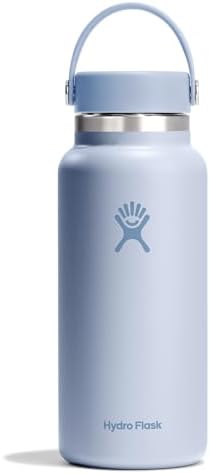
#1 — Hydro Flask 32 oz Wide Mouth
The Hydro Flask is the bottle I recommend to basically everyone who asks me. It’s been around since 2009, and the 32 oz Wide Mouth is their classic, best-selling size for good reason. The double-wall TempShield insulation is genuinely excellent and I’ve had ice in mine for well over 24 hours in summer, which is frankly ridiculous in the best possible way.
The powder coat finish comes in a heap of colours (I have mine in Pacific blue, which still looks sharp after six years of daily use), and the wide mouth is perfect for dropping in ice, cleaning with a brush, and chugging water when you’re thirsty after a run. The Flex Cap that comes standard is reliable and leak-proof, and you can swap it out for a straw lid or a loop cap if you prefer.
My only gripe is the price, it’s not the cheapest option on the list. But honestly, given how long it lasts, the cost per use works out to pennies. If you’re going to spend money on one bottle, this is it.
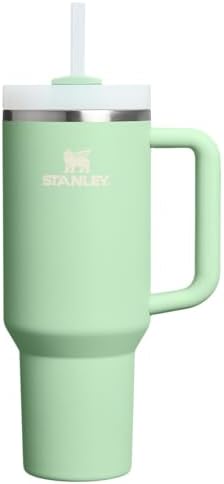
#2 — Stanley Quencher H2.0 FlowState Tumbler 40 oz
The Stanley Quencher became a bit of a cultural phenomenon a couple of years back, and I’ll admit I was initially skeptical, but anything that goes viral on social media tends to be more style than substance. But after using one for several months, I have to say this thing genuinely earns the hype.
It’s a tumbler rather than a traditional bottle, which means it’s designed to fit in car cup holders and it has a handle. If you spend a lot of time driving or commuting, that handle is a bigger deal than you’d think. The straw lid with the rotating cover is really clever – three positions for drinking, closed, and full-open. It keeps drinks cold for a solid 24 hours and is reasonably good for hot drinks too, although not quite as impressive as the Hydro Flask on that front.
The 40 oz size means you’re carrying more water, which is great for long days when refilling isn’t easy. The only downside is that the handle and wider body make it bulkier for backpack use. It’s my go-to for road trips and car use specifically.
#3 — YETI Rambler 26 oz Bottle
YETI is a brand that outdoor and camping enthusiasts will know well. They make some of the most indestructible gear on the market, and the Rambler 26 oz bottle is no exception. This thing feels tank-like in the hand – the walls are thick, the construction is solid, and it just feels like it could survive being thrown out of a moving vehicle (I haven’t tested this theory, but I’m fairly confident).
The double-wall vacuum insulation performs on par with the Hydro Flask, keeping drinks cold for 24 hours. The Chug Cap is one of my favourite lid designs – it opens wide for easy drinking without unscrewing the whole lid, and it seals tight. The DuraCoat colour finish is also notably more scratch-resistant than the standard powder coat on cheaper bottles.
The 26 oz size is slightly smaller than the others, which I actually appreciate for gym sessions where I want something lighter and less bulky. It fits perfectly in the side pocket of most gym bags. It’s pricier than some options but it’s genuinely built to last for years of outdoor and active use.

#4 — Nalgene Sustain 32 oz Wide Mouth
Not everyone needs a fully insulated bottle, and not everyone has $50 to spend. That’s where the Nalgene Sustain comes in. At around $15, it’s the budget pick on this list, and it’s probably the most legendary hiking bottle of all time. Nalgene has been making these since the 1970s, and the design has barely changed because it just works.
The Sustain line is made from 50% recycled Tritan plastic, which is BPA-free, BPS-free, and phthalate-free. It’s incredibly lightweight – about 180g empty – and tough enough to survive drops that would shatter most glass bottles. The wide mouth fits ice cubes easily, and the screw-top lid has never once leaked on me in years of hiking and camping.
The obvious limitation is that there’s no insulation. Your water will be whatever temperature the environment is. For cool-weather hikes or situations where you’ll be refilling from streams or taps regularly, that’s totally fine. For a hot summer beach day, you’ll want something with insulation. But for sheer reliability and value, nothing beats a Nalgene.

#5 — CamelBak Chute Mag 25 oz
CamelBak is best known for their hydration packs with the drinking tube, but their Chute Mag bottle has become one of my favourite everyday bottles over the past couple of years. The magnetic lid is the standout feature, so when you unscrew the lid, the magnet snaps it to the side of the bottle so it doesn’t flop around and get in the way while you’re drinking. It sounds like a small thing, but it genuinely makes a difference when you’re on the move.
Like the Nalgene, it’s not insulated, so it’s best for situations where temperature retention isn’t the priority. The Tritan plastic is odour-neutral, durable, and dishwasher safe on the top rack. The wide opening is great for ice and cleaning.
I use mine primarily for morning runs and cycling rides where I want something lightweight that I can quickly open and close with one hand. For that specific use case, it’s honestly the best option on this list.

How Long Do Reusable Water Bottles Keep Water Cold?
This is the question I get asked most often, and the answer depends entirely on what type of insulation the bottle uses. Let me break it down properly because there’s a lot of marketing fluff out there that can be confusing.
Single-wall bottles have just one layer of material between your drink and the outside air. They’re lighter and cheaper, but they offer essentially zero temperature retention and your water will warm up to match the ambient temperature within an hour or two. The Nalgene and CamelBak on this list are single-wall bottles, which is totally fine if temperature isn’t your main priority.
Double-wall vacuum insulated bottles are a completely different beast. There are two layers of stainless steel with a vacuum – literally no air between them. With no air to conduct heat, the temperature change is dramatically slowed. In real-world testing, the Hydro Flask and YETI Rambler both kept water with ice cubes cold for over 24 hours in my kitchen at around 22 degrees, and the Stanley Quencher held cold water (no ice) cold for the same duration. That’s genuinely impressive.
For hot drinks, vacuum insulation typically works for 6 to 12 hours, depending on the bottle. The Hydro Flask is consistently the best performer I’ve found for keeping coffee hot, which is a genuine quality-of-life improvement for slow-sipping tea or coffee types.
A couple of tips for maximising cold retention: pre-chill your bottle by filling it with cold water for 10 minutes before adding your ice-cold drink, and fill it as full as possible because more liquid retains temperature better than a half-empty bottle. And obviously, keep it out of direct sunlight when you can. Check out Serious Eats’ guide to insulated bottles for some great comparison testing data.
How Do I Clean a Reusable Water Bottle Properly?
Okay, story time. About three years ago, I was using my water bottle every single day but only rinsing it quickly and refilling. After a few weeks I noticed a slightly musty smell. Long story short, I had some serious biofilm buildup happening in there, and it was absolutely disgusting when I finally looked inside with a torch. Lesson very much learned.
Here’s the cleaning routine I follow now. After every use, I give the bottle a rinse with warm water and a quick scrub with a bottle brush, making sure to get into all the corners. I also remove the lid and clean inside the lid, including any gaskets or seals. The lid is where most of the funk builds up because it’s harder to clean and gets a lot of contact with your mouth.
Once a week, I do a deeper clean. I put a tablespoon of baking soda and a splash of white vinegar in the bottle, fill it up with warm water, shake it vigorously, and leave it to sit for 30 minutes. Then I scrub thoroughly with a bottle brush and rinse really well. This combination breaks down any biofilm, neutralises odours, and leaves the bottle smelling clean without any chemical residue.
For dishwasher safe bottles and lids, throwing them on the top rack regularly is a perfectly good option. Most stainless steel bodies are fine in the dishwasher, but always check the manufacturer’s instructions because some powder coat finishes can be affected. Lids with rubber seals should generally be hand washed to extend their life.
Speaking of bottle brushes, investing in a good long-handled brush makes a huge difference. I’ve been using one similar to this: OXO Good Grips Bottle Brush Set. It reaches the bottom easily and the silicone head doesn’t scratch stainless steel. Replace your lid gaskets every six to twelve months as they’re cheap and worn gaskets are a common source of odours and leaks.
What Size Water Bottle Should I Get?
Choosing the right size is more personal than most people realise, and honestly, I’ve bought bottles that were the wrong size and ended up not using them. So let me help you avoid that mistake.
The smaller 12 to 18 oz (350 to 530 ml) bottles are great for kids’ lunch boxes, desk use if you refill frequently, or anyone who just wants something lightweight and easy to carry in a small bag. They’re also good for coffee or tea in the morning if you want a single serving. But for proper hydration throughout a full day, they’re probably too small to rely on exclusively.
The 24 to 32 oz (700 to 950 ml) range is the sweet spot for most adults. It holds enough water for a couple of hours of activity, fits in most backpack side pockets and car cup holders, and isn’t excessively heavy. This is where the Hydro Flask 32 oz and the YETI 26 oz sit, and why they’re both such popular choices. I’d recommend this range for gym use, everyday carry, and light hiking.
For serious outdoor adventures, long hikes, or all-day activities where you might not have easy access to water refills, 40 to 64 oz (1.2 to 1.9 litres) bottles are worth considering. The Stanley Quencher 40 oz is a great example — it’s a bit of a beast to carry on your person, but for car-based activities and long drives it’s brilliant.
As a rough guide, the Australian Dietary Guidelines recommend around 2.1 litres of total fluid intake per day for women and 2.6 litres for men (including water from food). A 32 oz bottle holds about 950 ml, so filling and drinking it roughly twice a day is a solid hydration goal for most people.
Do the Best Reusable Water Bottles Leak? (And How to Avoid It)
In my experience, leaking is usually a user error issue rather than a product defect — but there are definitely some lid designs that are more leak-prone than others, and some bottles that are just poorly made. Let me break down what I’ve learned from years of carrying water bottles in bags and backpacks.
The most common leak points are the lid threads and the gasket seal. On screw-top lids, if you don’t tighten the lid fully, water will slowly weep through the threads — I’ve done this more times than I’d like to admit, usually when I’m rushing out the door. The fix is obviously to make sure the lid is fully tightened, but some lids have a more positive click or tactile feedback that helps you know it’s sealed. The Stanley Quencher’s lid is particularly good at this.
Flip-top and straw lids are more complex mechanically, which means more potential failure points. The gasket that seals the straw port on most straw lid designs can wear out or get gunk in it, which causes slow leaks. A quick clean and check of the gasket every week or two keeps this from being an issue. All the bottles I’ve listed here have good quality seals, but they’re not invincible over time.
A simple home test for leak-proofness: fill your bottle completely, close the lid, turn it upside down and hold it over a sink for 30 seconds. Give it a gentle shake. If no water appears around the lid, you’re good. If you see any weeping, tighten the lid more and try again. If it still leaks with a properly tightened lid, the gasket probably needs cleaning or replacing.
Replace the rubber gasket in your lid every 12 to 18 months even if it looks fine. Rubber degrades over time even with careful cleaning, and a fresh gasket is usually just a couple of dollars from the manufacturer. Hydro Flask, Stanley, YETI, and CamelBak all sell replacement gaskets and lids through their websites and Amazon.
Which of the Best Reusable Water Bottles Is Best for the Environment?
This is the question that really matters in the long run, and the answer is a bit more nuanced than just “any reusable bottle is good.” Because while any reusable bottle is better than single-use plastic, some are considerably more sustainable than others.
The production of a stainless steel bottle has a higher upfront carbon footprint than manufacturing a plastic bottle — mining and processing steel requires significant energy. But because a quality stainless steel bottle lasts 10 or more years and can eventually be recycled, the carbon cost per use is dramatically lower over time. Studies have found that a stainless steel bottle breaks even with single-use plastic after about 500 uses, and most people hit that within the first year.
The Nalgene Sustain gets extra points here for actually being made from 50% recycled plastic. At end of life, you can send your Nalgene back through Nalgene’s recycle program (they use TerraCycle) to be properly recycled. That’s a genuinely good circular economy story. Stainless steel is fully recyclable at end of life too, which is reassuring.
Brand practices matter as well. Hydro Flask runs an ‘Open World Initiative’ that partners with park conservation projects. YETI has a sustainability program focused on reducing their manufacturing footprint. Stanley has committed to carbon-neutral manufacturing targets. These aren’t perfect, but they’re meaningful commitments in the right direction. You can check out Good On You’s brand directory for independent sustainability ratings on outdoor and lifestyle brands.
At the end of the day, the most sustainable bottle is the one you’ll actually use every single day for years. An expensive eco-branded bottle that sits in a drawer is worse for the planet than a cheap plastic bottle that gets used daily. Pick something you love and actually use it.
Stop Single-Using and Start Smart-Choosing
So there you have it — a full breakdown of the 5 best reusable water bottles for 2026 and everything you need to know to pick the right one for your life. Whether you go with the rock-solid reliability of the Hydro Flask, the commuter-friendly Stanley Quencher, the indestructible YETI Rambler, the legendary budget value of the Nalgene Sustain, or the clever magnetic lid of the CamelBak Chute Mag, you’re making a genuinely good choice for your wallet, your health, and the planet.
Honestly, the “best” bottle is the one that fits your actual daily routine. If you’re mostly in the car, get the Stanley. If you’re hiking every weekend, get the Hydro Flask or YETI. If you’re on a tight budget, the Nalgene is genuinely brilliant. Don’t overthink it too much.
A couple of quick reminders: clean your bottle regularly (learn from my disgusting biofilm mistake), replace your gaskets when they start to wear, and carry it everywhere. The habit is what makes the difference. And hey — if you’ve got a favourite bottle that I haven’t covered here, or a tip you swear by for keeping your bottle clean, drop it in the comments below. I genuinely read all of them and I’m always keen to find something new.
Happy hydrating!
About the Author
My Kitchen Sage Team — We are a team of passionate home cooks who have tested and reviewed over 100 kitchen appliances for this site. Our recommendations are based on hands-on testing in real home kitchens, not manufacturer spec sheets. Learn how we test


